
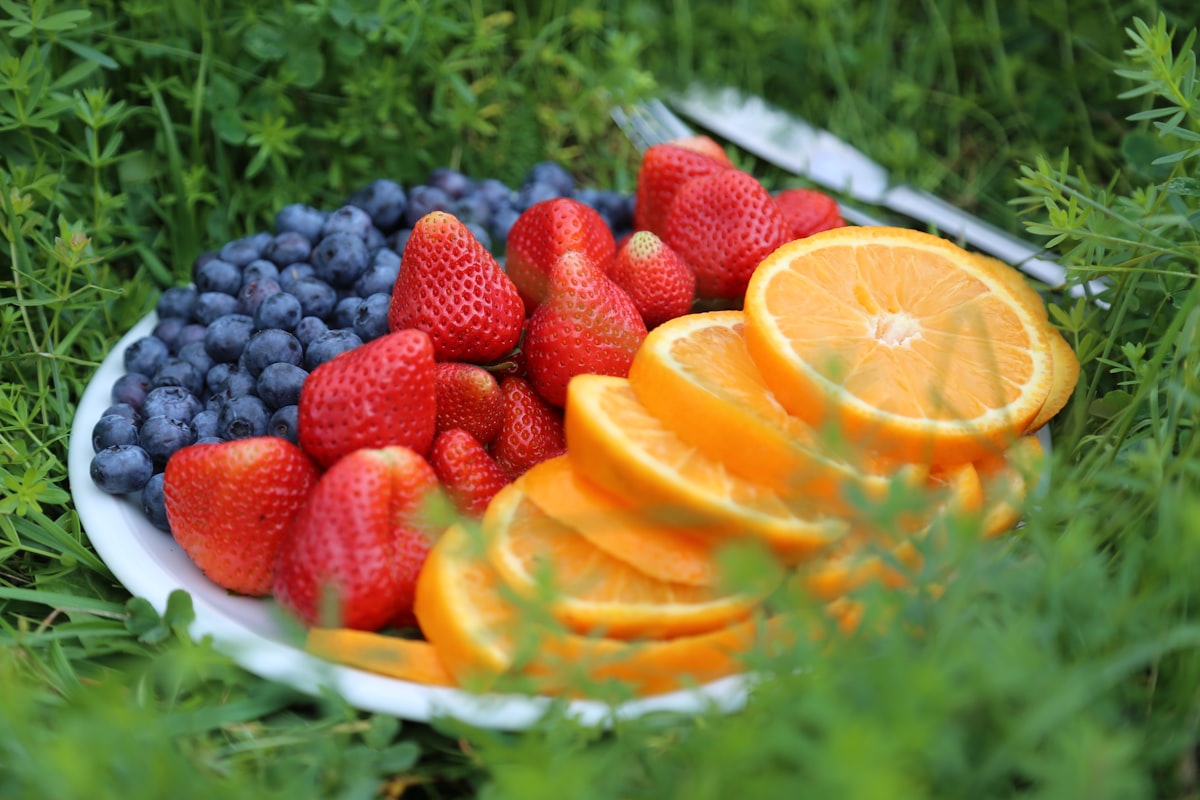
Antioxidants: Your Shield Against Joint Damage
Discover how powerful antioxidants work at the cellular level to protect your joints from oxidative stress and support long-term structural integrity. Our comprehensive guide explains the science behind antioxidant-rich nutrition and practical strategies for joint protection.
The information on this site is for educational purposes only and does not constitute medical advice. Always consult a qualified healthcare professional before making health decisions.
Why Antioxidants Matter for Joints
Oxidative stress is a primary driver of joint tissue degradation. Antioxidants neutralize harmful free radicals, reducing inflammatory cascade activation and supporting cartilage preservation.
Free Radical Defense
Antioxidants neutralize unstable molecules that damage collagen and cartilage matrix, protecting joint structural components.
Inflammatory Response
By reducing oxidative stress, antioxidants help modulate inflammatory signaling pathways that contribute to joint discomfort.
Cellular Regeneration
Antioxidants support the cellular environment needed for tissue repair and maintenance of healthy joint function.
Molecular Protection
Antioxidants preserve synovial fluid composition and protect proteins essential for joint lubrication and mobility.
Key Antioxidant Benefits for Joint Health
Explore the core advantages of incorporating antioxidant-rich foods and sources into your daily routine.
Enhanced Joint Function
Antioxidants support synovial fluid viscosity and cartilage elasticity, promoting smooth movement and reducing friction during activity.
Cellular Anti-Stress Response
Compounds like vitamin C, vitamin E, and selenium activate cellular defense mechanisms, reducing oxidative damage at the molecular level.
Natural Food Sources
Antioxidants are readily available in berries, leafy greens, nuts, seeds, and spices—making nutritional support accessible and convenient.
Polyphenol Power
Polyphenolic antioxidants from fruits, vegetables, and plant sources cross the blood-brain barrier and support systemic antioxidant capacity.
Long-Term Protection
Consistent antioxidant intake supports sustained cellular repair mechanisms, contributing to lasting joint health and structural maintenance.
Movement Support
By reducing oxidative burden, antioxidants enable improved range of motion and support comfortable, active daily living.
The Science Behind Antioxidant Protection
Understanding how antioxidants combat oxidative stress at the cellular level helps you appreciate their role in joint health.

Oxidative Stress & Joint Damage
Free Radical Generation
During normal metabolism and in response to physical activity, cells produce reactive oxygen species (free radicals). These unstable molecules seek electrons from neighboring molecules, causing a chain reaction of damage.
Joint Tissue Impact
Cartilage collagen, proteoglycans, and synovial cells are particularly vulnerable to oxidative damage. This degradation contributes to loss of structural integrity and compromised joint function.
Antioxidant Defense
Antioxidants donate electrons to stabilize free radicals, breaking the damaging cycle. Vitamins A, C, E, selenium, and polyphenols each play distinct protective roles in joint tissues.
Cellular Restoration
With reduced oxidative burden, cells activate repair pathways. Antioxidants also support the expression of genes involved in collagen synthesis and tissue maintenance, promoting long-term joint health.
Top Antioxidant-Rich Foods & Sources
Explore nutrient-dense foods that provide powerful antioxidant compounds to support your joint health strategy.

Berries & Stone Fruits
Blueberries, raspberries, and cherries contain anthocyanins and vitamin C, powerful antioxidants that support joint tissue repair.
- Anthocyanins reduce oxidative load
- Vitamin C supports collagen synthesis
- Natural, accessible sources

Leafy Greens
Spinach, kale, and arugula provide lutein, zeaxanthin, and vitamins A and K—essential for cartilage protection and bone health.
- Carotenoids protect cells
- Vitamin K supports bone density
- High nutrient density

Nuts & Seeds
Almonds, walnuts, and pumpkin seeds deliver vitamin E, selenium, and omega-3 fatty acids for cellular protection.
- Vitamin E crosses cell membranes
- Selenium activates selenoproteins
- Convenient, portable snacks

Spices & Herbs
Turmeric, ginger, cinnamon, and oregano contain concentrated polyphenols that offer potent antioxidant and modulatory benefits.
- High antioxidant concentration
- Small portions go a long way
- Enhance meal flavor naturally

Colorful Vegetables
Bell peppers, carrots, and beets contain carotenoids and betalains—pigments that provide cellular protection and anti-stress support.
- Carotenoids convert to vitamin A
- Visible color indicates potency
- Versatile in meal preparation

Teas & Beverages
Green tea, white tea, and coffee provide catechins and chlorogenic acid—bioactive compounds with strong antioxidant profiles.
- Catechins easily absorbed
- Hydrating antioxidant sources
- Daily habit support
Common Questions About Antioxidants & Joint Health
Find answers to frequently asked questions about how antioxidants support joint protection and function.
The primary categories include enzymatic antioxidants (superoxide dismutase, catalase, glutathione peroxidase) and dietary antioxidants (vitamins A, C, E, selenium, and polyphenols). For joint health, vitamin C supports collagen synthesis, vitamin E protects cell membranes, selenium activates protective selenoproteins, and polyphenols provide multi-pathway cellular support. A diverse intake of antioxidant sources ensures comprehensive protection.
Antioxidants work at the cellular level, and their protective effects accumulate over time. Some cellular benefits may be measurable within weeks of consistent intake, but structural joint tissue changes typically require months of sustained nutritional support. Think of antioxidants as preventive measures—regular consumption helps maintain cellular health and reduce ongoing oxidative damage, supporting long-term joint function.
Food-based antioxidants offer excellent bioavailability and come packaged with complementary nutrients and fiber. Whole food sources provide natural synergistic combinations—for example, vitamin C in berries aids iron absorption, and the fiber matrix affects nutrient delivery. A varied diet rich in colorful fruits, vegetables, nuts, and spices is the foundation for comprehensive antioxidant intake and joint health support.
Mediterranean-style eating patterns—emphasizing vegetables, fruits, whole grains, nuts, legumes, and olive oil—naturally deliver high antioxidant loads. The DASH diet and plant-forward approaches also support adequate intake. Key strategies include: eating a rainbow of colors, choosing whole foods over processed, including herbs and spices in cooking, drinking green or white tea, and snacking on nuts and berries. Consistency and variety are more important than single "superfoods."
Antioxidants work synergistically with other joint health pillars. Exercise increases free radical production, which antioxidants help neutralize, reducing oxidative burden. Proper hydration maintains synovial fluid viscosity—the lubricating medium protecting joint surfaces. Adequate sleep supports cellular repair processes that benefit from antioxidant support. Together, antioxidant-rich nutrition, regular movement, hydration, and restorative rest create a comprehensive approach to maintaining joint structure and function.
Scientific literature consistently demonstrates that oxidative stress contributes to cartilage degradation and joint dysfunction. Studies show that antioxidant compounds reduce markers of oxidative damage, modulate inflammatory signaling pathways, and support cellular repair mechanisms in cartilage and synovial tissue. While individual responses vary, evidence supports antioxidant-rich eating patterns as a practical, accessible strategy for long-term joint health maintenance and protection.
Real Stories from Our Readers
Learn how people across the Czech Republic are incorporating antioxidant-focused nutrition into their joint health journey.
"After following the antioxidant protocols in the Joint Optimization Guide, my morning stiffness reduced significantly within three weeks. The science-backed approach gave me confidence in my choices."
Miroslava Kubíčková
Prague, Czech Republic
"The nutrition guidance is practical and evidence-based. I've integrated the recommended foods into my diet, and the difference in my joint flexibility has been remarkable. Highly recommended!"
Jiří Novotný
Brno, Czech Republic
"As someone who sits at a desk all day, I was skeptical. But the guide's holistic approach—combining nutrition, movement, and lifestyle—has truly transformed my joint health."
Eva Janíčková
Ostrava, Czech Republic
Ready to Optimize Your Joints?
Download the comprehensive Joint Optimization Guide today and discover the antioxidant-rich nutrition strategies that support joint health, flexibility, and long-term wellness.
Your privacy is protected. No spam, ever.
Frequently Asked Questions
Find answers to common questions about joint health and antioxidant nutrition.
What is the Joint Optimization Guide?
How quickly will I see results?
Is the guide suitable for all ages?
Does the guide include meal plans?
Can I use this guide alongside medical treatment?
Start Your Joint Health Journey Today
Join thousands of people optimizing their joint health with science-backed strategies.
© 2025 Jointoptimizationguidelab – IČO: 87527255. All rights reserved. | Privacy Policy | Terms of Service