
Antioxidants for Joint Disease Prevention
Discover how powerful antioxidants from nature help maintain joint integrity and support long-term skeletal wellness. Our editorial platform explores the science behind natural protection strategies.
Learn evidence-based approaches to understanding oxidative stress and its role in joint function, backed by research and expert analysis.
The information on this site is for educational purposes only and does not constitute medical advice. Always consult a qualified healthcare professional before making health decisions.
Understanding Antioxidant Science
Our editorial content covers the fundamental mechanisms of how antioxidants interact with joint tissues and support optimal skeletal function through natural pathways.
Natural Antioxidant Sources
Explore comprehensive guides on plant-based antioxidants including polyphenols, flavonoids, and carotenoids found in whole foods. Learn which sources provide the highest bioavailable concentrations and how to incorporate them into daily nutrition.
Oxidative Stress & Joint Health
Understand the biochemical processes of oxidative stress and its documented relationship with joint tissue integrity. Our articles examine research on free radical accumulation and protective nutritional strategies supported by peer-reviewed literature.
Research & Evidence
Access detailed analysis of clinical studies examining antioxidant compounds in nutritional contexts. Our editorial team reviews emerging research on botanical extracts, vitamins, and minerals relevant to skeletal system wellness.
How Antioxidants Support Joint Wellness
Antioxidants function as electron donors that neutralize unstable free radical molecules. In joint tissues, accumulated free radicals can trigger oxidative stress, potentially affecting collagen structures and synovial fluid composition. Through donated electrons, antioxidants stabilize these harmful molecules before they interact with cellular components.
Research indicates that certain polyphenolic compounds and vitamin compounds accumulate preferentially in cartilage and synovial tissues, providing localized protective effects. This targeted distribution may explain why specific plant sources show particular relevance for skeletal support.
The body's own antioxidant enzyme systems—including SOD, catalase, and glutathione peroxidase—work synergistically with dietary antioxidants to maintain cellular balance. Supporting these natural defenses through comprehensive nutrition represents a foundational approach to long-term joint wellness.
Dive Deeper Into Science
Antioxidant-Rich Foods & Plants
Explore the natural diversity of antioxidant sources available through whole-food nutrition and plant extracts studied for their bioactive profiles.

Berries & Anthocyanins
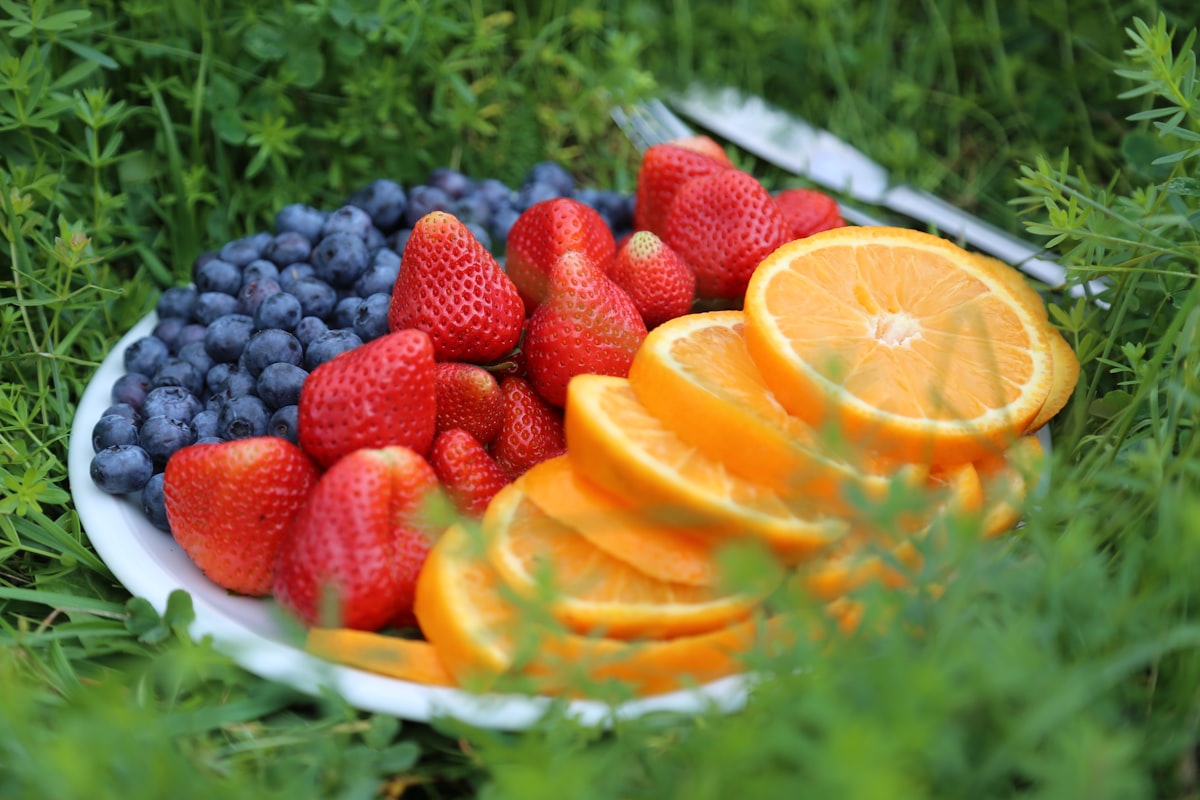
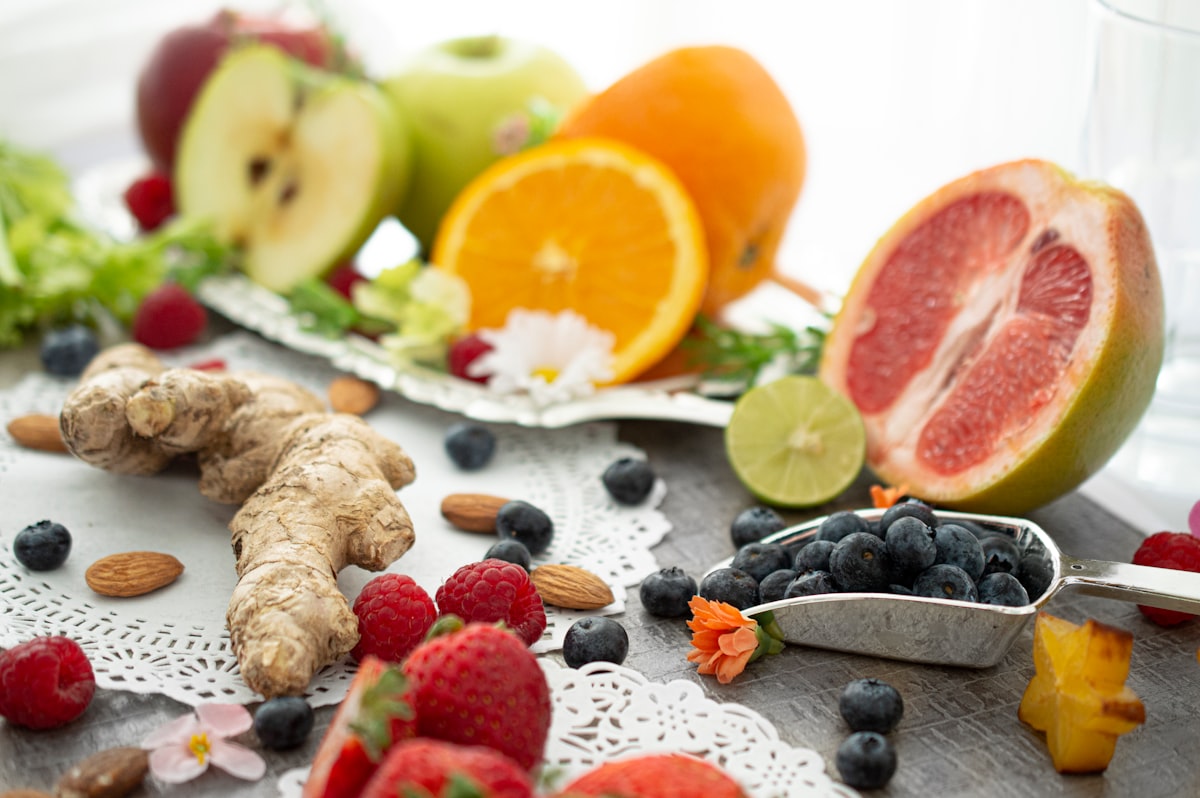
Blueberries, raspberries, and blackberries deliver high concentrations of anthocyanin polyphenols. These water-soluble compounds readily distribute in tissues and are well-researched for antioxidant capacity in multiple systems.
Green Tea Catechins
Unfermented green tea contains high catechin levels, particularly EGCG (epigallocatechin gallate). These polyphenols have been extensively studied for their ability to modulate oxidative pathways in various tissue types.

Turmeric Curcuminoids
Turmeric root contains curcumin and related curcuminoids with notable antioxidant properties. Traditional use combined with modern research demonstrates relevance for various physiological systems requiring oxidative balance.

Dark Leafy Greens
Spinach, kale, and collards provide vitamin E (tocopherols), vitamin K (phylloquinone), and numerous polyphenols. These nutrient-dense foods support multiple antioxidant and metabolic pathways relevant to skeletal tissues.

Citrus & Vitamin C
Oranges, lemons, and grapefruits deliver bioavailable vitamin C alongside hesperidin and other flavonoids. Vitamin C plays essential roles in collagen synthesis and antioxidant enzyme function within connective tissues.

Nuts, Seeds & Minerals
Brazil nuts, almonds, and seeds supply selenium and zinc—critical cofactors for endogenous antioxidant enzymes. These mineral-rich foods support the body's intrinsic defensive antioxidant capacity.
Stay Updated on Joint Health Research
Receive our latest articles and evidence-based content on antioxidants and joint wellness directly in your inbox.
Frequently Asked Questions
Find answers to common questions about antioxidants, joint health, and nutritional approaches to wellness.
Antioxidants are molecules that donate electrons to stabilize free radicals—unstable atoms with unpaired electrons that seek electrons from other molecules. Free radicals naturally form during metabolism, immune responses, and exposure to environmental factors. By providing electrons, antioxidants prevent these unstable molecules from damaging cellular structures like proteins, lipids, and DNA. Common antioxidant mechanisms include polyphenols (found in plants), vitamin C, vitamin E, selenium, and the body's own enzymes like superoxide dismutase. Different antioxidants work through different chemical mechanisms and concentrate in different tissues, which is why dietary diversity supports comprehensive protection.
Joint tissues—cartilage, synovial fluid, connective tissue, and bone—contain collagen, proteoglycans, and other proteins that can be damaged by accumulated free radicals. When oxidative stress exceeds the body's antioxidant defenses, these essential proteins may become structurally compromised, potentially affecting joint integrity and function. Research indicates that certain antioxidants preferentially concentrate in cartilage and synovial tissues, suggesting they play a targeted protective role. Additionally, oxidative stress can affect the production of synovial fluid and the function of cells within joint tissues (synovial cells, chondrocytes), making antioxidant support particularly relevant for long-term skeletal wellness.
Research highlights several compounds with particular relevance: curcuminoids from turmeric (which accumulate in connective tissues), anthocyanins from berries (water-soluble polyphenols), catechins from green tea (particularly EGCG), vitamin C (essential for collagen synthesis and enzyme cofactor), vitamin E (fat-soluble membrane protectant), and minerals like selenium and zinc (cofactors for endogenous antioxidant enzymes). However, individual responses vary significantly based on genetics, metabolism, and overall nutritional status. A comprehensive approach emphasizing diverse plant foods—rather than relying on single compounds—generally provides broader coverage of antioxidant pathways.
Most dietary antioxidants have relatively short biological half-lives—typically hours to days—so consistent daily intake supports continuous antioxidant activity. Some compounds like vitamin E accumulate preferentially in lipid-rich tissues, including joint cartilage, allowing for modest tissue reserves. However, vitamin C and most polyphenols require regular dietary supply. The body also upregulates its own antioxidant enzyme production in response to consistent antioxidant consumption, potentially enhancing overall protective capacity. This underscores the importance of sustained, consistent dietary patterns rather than sporadic high-dose supplementation.
Antioxidant capacity is measured through laboratory assays like ORAC (Oxygen Radical Absorbance Capacity), DPPH, and FRAP. These standardized tests quantify how effectively a sample neutralizes free radicals in controlled conditions. However, laboratory values don't always predict biological effects in living organisms, as absorption, metabolism, and tissue distribution vary significantly. Generally, deeply colored plant foods (dark berries, dark leafy greens, red/orange vegetables) and plant materials with documented traditional use tend to demonstrate both high antioxidant capacity and recognized bioactivity. Peer-reviewed research comparing specific extracts to controls provides the most reliable evidence for particular applications.
Absolutely. Multiple factors influence free radical production and antioxidant status: physical activity (moderate exercise increases antioxidant enzyme production while excessive stress increases free radical formation), sleep quality (poor sleep elevates oxidative markers), stress levels (chronic psychological stress increases cortisol and free radical production), environmental exposure (air pollution, UV radiation, smoke), and body composition (metabolic activity generates free radicals). Alcohol and tobacco create significant oxidative stress. Temperature and heat exposure can also modulate free radical production. A comprehensive approach to joint wellness integrates consistent, moderate physical activity, adequate sleep, stress management, and environmental awareness alongside antioxidant-rich nutrition.
Reader Insights & Feedback
See how our editorial content has helped readers understand and implement antioxidant strategies for long-term joint wellness.
"This website provided the most comprehensive breakdown of how antioxidants actually work at the molecular level. I was skeptical at first, but the scientific explanations helped me understand why my nutritional approach wasn't working. The food sources section alone changed how I grocery shop. Incredibly detailed and well-researched content."
Martin Kučera
Prague
"As someone concerned about joint health, I found the connection between oxidative stress and joint tissue integrity finally explained clearly. The FAQ section answered questions I didn't even know I had. The recommendations feel practical and grounded in actual research, not marketing hype."
Helena Svobodová
Brno
"I've read numerous wellness articles online, but the Jointoptimizationguidelab content stands out for its integrity and depth. The emphasis on whole-food sources over supplements, the honest discussion of what we know and don't know—this is responsible science communication. Bookmarked and shared with my entire family."
Petr Novotný
Plzeň
Your Editorial Journey
Follow these steps to build a comprehensive understanding of antioxidants and joint wellness through our content platform.
Explore Antioxidant Science Fundamentals
Start with our comprehensive guides on how antioxidants work biochemically, the types of antioxidant compounds found in nature, and their roles in protecting cellular structures. This foundation helps you evaluate other wellness information critically.
Learn Joint Health Mechanisms
Dive into our detailed content on joint tissue structure, how oxidative stress specifically affects skeletal tissues, and the interplay between various nutritional factors supporting joint function. Understanding these mechanisms helps you make informed dietary choices.
Discover Research-Backed Antioxidant Sources
Explore our gallery of antioxidant-rich foods and plant extracts with documented bioactive compounds. Learn which sources provide the highest concentrations of specific antioxidant classes and how to incorporate them into sustainable eating patterns.
Implement Holistic Wellness Strategies
Integrate antioxidant nutrition with broader lifestyle factors—sleep, movement, stress management, environmental awareness. Our content emphasizes that sustainable joint wellness requires balanced attention to multiple dimensions of health, not isolated interventions.
Deep Dive Into Joint Health Knowledge
Access our complete library of research-backed articles on antioxidants, joint tissue protection, and evidence-based nutritional approaches to long-term skeletal wellness. Our editorial team continuously expands our content to reflect emerging research and reader interests.